
Walmart: Transforming Global Retail Through Innovation and Community Engagement
History and Growth
Walmart’s journey began with the opening of the first store in 1962, aiming to provide customers with low prices and high-quality products. Sam Walton’s vision was to create a retail experience that combined affordability, variety, and customer-centric service. Throughout the 1970s and 1980s, Walmart expanded rapidly across the United States, leveraging logistics innovations and supply chain efficiency to maintain low prices and high availability.
In 1991, Walmart became the largest retailer in the United States and gradually expanded internationally, entering markets in Mexico, Canada, China, Chile, and several other countries. Today, Walmart operates over 11,000 stores globally and has established a strong e-commerce presence, making it one of the most influential retail brands worldwide.
Business Model and Retail Strategy
Walmart’s success is rooted in its innovative business model and strategic approach to retail. Key elements include:
- Everyday Low Prices: Walmart maintains affordability by optimizing supply chains, bulk purchasing, and operational efficiency.
- Extensive Product Range: Offers groceries, electronics, apparel, household goods, and pharmaceuticals, ensuring a one-stop shopping experience.
- Omnichannel Presence: Combines physical stores with online platforms, enabling customers to shop conveniently through in-store pickup, delivery, or e-commerce.
- Data-Driven Operations: Uses advanced analytics and inventory management to optimize stock levels and enhance customer satisfaction.
This business model allows Walmart to reach millions of consumers while maintaining competitive pricing and operational efficiency.
Technological Innovation
Walmart continually invests in technology to enhance the shopping experience, streamline operations, and maintain market leadership. Key innovations include:
- Supply Chain Automation: Utilizing robotics, AI, and real-time data to improve logistics efficiency.
- Walmart App and E-commerce Platform: Integrates online shopping, digital coupons, store locators, and personalized offers for consumers worldwide.
- Cashierless and Self-Checkout Systems: Enhances convenience and reduces waiting times for customers.
- Artificial Intelligence and Analytics: Optimizes inventory, pricing, and customer engagement through predictive modeling.
Through these technological advancements, Walmart ensures a seamless, efficient, and modern shopping experience for all consumers.
Community Engagement and Social Responsibility
Walmart emphasizes social responsibility and community support through several initiatives:
- Environmental Sustainability: Programs aimed at reducing carbon emissions, promoting renewable energy, and minimizing waste in operations and supply chains.
- Philanthropy: Walmart Foundation contributes to education, hunger relief, disaster response, and local community programs.
- Employee Development: Offers training, educational scholarships, and career advancement programs to empower employees.
- Diversity and Inclusion: Promotes equal opportunities, inclusive workplaces, and supplier diversity initiatives.
Through these programs, Walmart demonstrates a strong commitment to making a positive impact on society while maintaining sustainable business practices.
Global Market Presence
Walmart’s influence extends across the globe, with a presence in North America, Latin America, Asia, and Africa. The company’s international operations combine local market insights with global best practices to offer products and services tailored to regional needs. Walmart’s market leadership is supported by:
- Localized product offerings catering to cultural preferences and consumer demands.
- Collaborations with regional suppliers to promote economic growth and sustainable sourcing.
- Adoption of digital and mobile solutions to enhance access to retail services worldwide.
These strategies ensure Walmart’s continued growth and relevance in the competitive global retail market.
Achievements and Recognition
Walmart has received numerous awards for business excellence, innovation, and social responsibility. Recognized globally for its supply chain management, sustainability initiatives, and community contributions, Walmart sets industry benchmarks in retail operations and corporate responsibility. These accolades reflect Walmart’s dedication to innovation, quality, and service excellence.
Future Outlook
Walmart is poised to continue its leadership in retail through strategic innovation, digital transformation, and sustainability. Future priorities include:
- Expanding e-commerce platforms and omnichannel shopping experiences globally.
- Advancing sustainable practices, including renewable energy adoption, waste reduction, and sustainable sourcing.
- Leveraging AI, robotics, and data analytics to enhance operational efficiency and customer satisfaction.
- Enhancing community engagement and social impact initiatives worldwide.
Through these strategies, Walmart aims to strengthen its position as a trusted, innovative, and responsible global retailer.
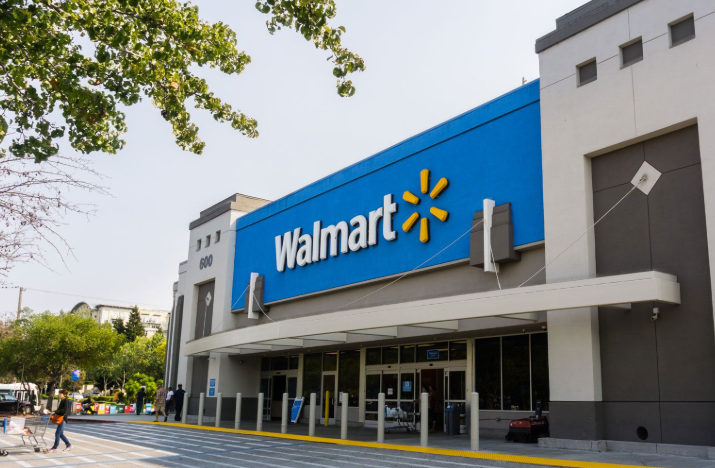
Walmart’s journey from a single discount store in Arkansas to a global retail powerhouse exemplifies vision, innovation, and dedication to customers. By combining affordability, technological innovation, and social responsibility, Walmart continues to shape the retail industry and enhance the lives of millions worldwide. Its commitment to sustainability, community engagement, and digital transformation ensures that Walmart remains a trusted, influential, and forward-thinking global brand for generations to come.