
The Nikkei: Japan’s Premier Financial Newspaper and Global Media Influence
From its modest beginnings as a market-quotation bulletin to its current status as a global media powerhouse, The Nikkei continues to shape public opinion, influence policy decisions, and provide essential information for businesses and individuals alike.
Origins and Early History
The Nikkei traces its roots to December 2, 1876, when it was first published as the Chugai Bukka Shimpo, a bulletin focused on commodity prices. Initially operated by Mitsui & Company, the paper was designed to provide traders and businesses with accurate and timely market information. Its transition from a weekly bulletin to a daily newspaper reflected the growing demand for reliable financial reporting in Japan’s rapidly modernizing economy.
In the early 20th century, the newspaper underwent several transformations, merging with other publications to expand its coverage and readership. By 1946, it had adopted the name Nihon Keizai Shimbun, commonly known as “Nikkei.” Over time, it transitioned from a national financial publication into a newspaper of global significance, catering to professionals, policymakers, and investors worldwide.
Expansion and Growth
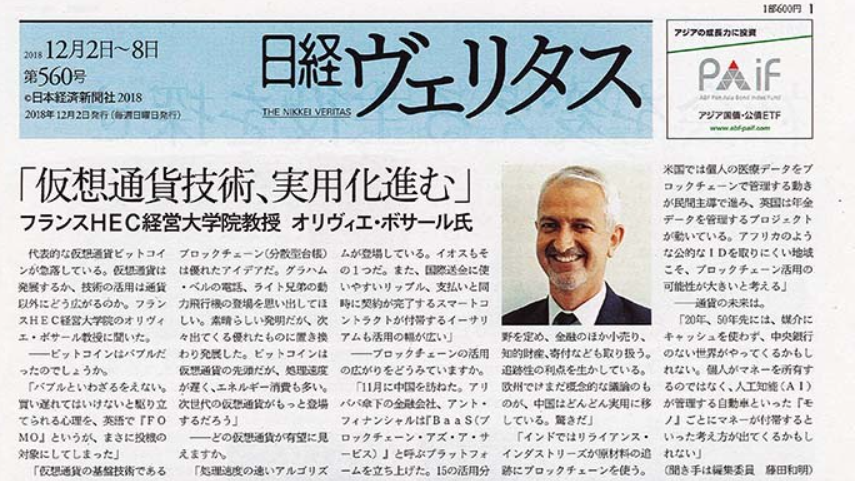
Throughout the 20th century, The Nikkei expanded both its content and its influence. The newspaper diversified its reporting to include corporate news, macroeconomic trends, stock market analyses, and policy debates. This diversification allowed it to serve as an essential guide for decision-makers, both within Japan and internationally.
By the late 20th century, The Nikkei had established bureaus in major global financial centers, including New York, London, Singapore, and Hong Kong. These international offices enabled the newspaper to provide timely coverage of global economic events, helping Japanese businesses and investors navigate an increasingly interconnected world economy.
Its circulation grew steadily, and The Nikkei became renowned for the Nikkei Stock Average, a leading index that tracks 225 top companies listed on the Tokyo Stock Exchange. The Nikkei 225 is widely cited by investors, analysts, and media worldwide, reinforcing the newspaper’s central role in global finance.
Circulation, Readership, and Influence
Today, The Nikkei reaches over 3 million daily subscribers in print and millions more online, making it the world’s largest financial newspaper. Its readership comprises business leaders, government officials, economists, and investors who rely on its reporting to make informed decisions.
The influence of The Nikkei extends beyond its readership. Policymakers, central banks, and international organizations often reference its analyses and reporting when crafting economic strategies or interpreting market trends. Its careful editorial stance ensures that the newspaper maintains credibility and authority in Japan and abroad.
For decades, The Nikkei has also been an essential source of insight for international media. Major outlets such as Bloomberg, Reuters, and the Financial Times regularly cite Nikkei articles, highlighting its role as a bridge between Japanese and global financial markets.
Editorial Philosophy and Values
The Nikkei is known for its fact-driven, analytical journalism. Its editorial philosophy emphasizes transparency, accuracy, and in-depth reporting. While maintaining a generally conservative approach, the newspaper actively encourages dialogue on economic reform, corporate governance, and social responsibility.
The editorial team places a strong emphasis on ethical journalism, avoiding sensationalism while providing detailed insights. This approach has helped The Nikkei cultivate trust among readers and maintain a reputation as a reliable and authoritative source of information.
Digital Transformation and Innovation
Recognizing the shift towards digital media, The Nikkei has made significant investments in technology to enhance its digital presence. Its website and mobile applications provide real-time news updates, stock market tracking, video content, and interactive features, serving a global audience that demands instant access to information.
The newspaper has also embraced artificial intelligence and data analytics to improve reporting accuracy, forecast trends, and deliver customized content to readers. By integrating digital tools with traditional journalistic rigor, The Nikkei has successfully bridged the gap between print and online media, ensuring continued relevance in the 21st century.
Global Initiatives and Partnerships
The Nikkei has cultivated strong international partnerships, including the acquisition of the Financial Times in 2015. This strategic move expanded its global reach and influence, connecting Japanese readers with international financial perspectives and bringing global news to Japanese audiences. The integration of Financial Times content with The Nikkei’s reporting has enhanced cross-cultural economic understanding and strengthened Japan’s role in global finance.
Furthermore, The Nikkei collaborates with universities, think tanks, and international organizations to produce research reports, conduct surveys, and organize economic forums. These initiatives contribute to informed public discourse and promote transparency in both domestic and global markets.
Role in Society and Education
Beyond financial reporting, The Nikkei is committed to social responsibility and education. Through initiatives such as scholarship programs, business competitions, and educational seminars, the newspaper supports the development of the next generation of business leaders and journalists.
It also contributes to raising awareness on issues such as sustainability, corporate ethics, and innovation. By highlighting case studies, policy reforms, and technological advancements, The Nikkei empowers readers to make informed decisions that positively impact society.
Achievements and Recognition
The Nikkei has received numerous awards for journalistic excellence, business reporting, and digital innovation. Its analyses of corporate governance, international markets, and economic policy are widely regarded as benchmarks for quality reporting. The newspaper’s consistent performance in providing accurate, actionable information has cemented its reputation as a trusted source both in Japan and internationally.
From predicting market trends to breaking exclusive financial stories, The Nikkei continues to demonstrate its commitment to excellence. Its leadership in financial journalism has earned it a prestigious place in the global media landscape.
The Nikkei stands as a testament to the power of accurate, responsible, and forward-looking journalism. Over its more than 145-year history, it has evolved from a small market bulletin into a globally respected media institution. Through its print and digital platforms, strategic partnerships, and educational initiatives, The Nikkei continues to inform, educate, and influence millions of readers worldwide.
As it navigates the challenges and opportunities of the digital age, The Nikkei remains committed to its mission of providing authoritative financial and business reporting. Its dedication to integrity, innovation, and societal contribution ensures that it will continue to shape Japan’s media landscape and global financial understanding for generations to come.