
Exploring Kroger: A Leader in American Grocery Retail
History and Growth
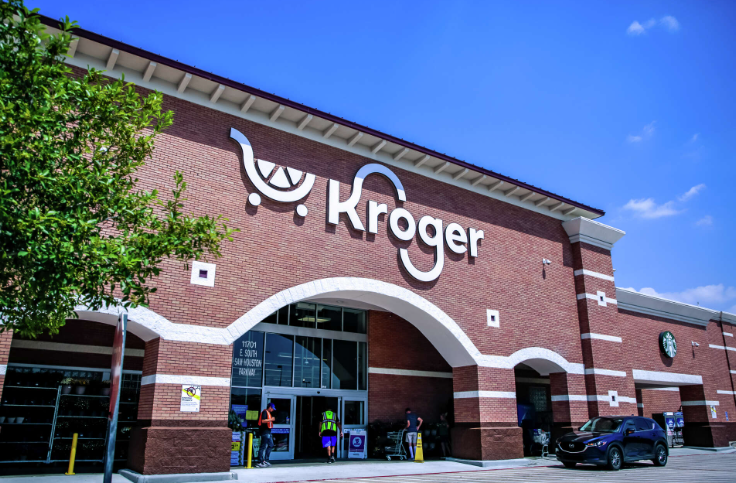
Kroger’s journey began with a simple vision: to provide high-quality groceries at fair prices while ensuring customer satisfaction. Over the decades, Kroger expanded rapidly through both organic growth and acquisitions, incorporating various regional supermarket chains into its portfolio.
Milestones in Kroger’s growth include the development of private-label products such as “Simple Truth” and “Private Selection,” innovations in in-store technology, and the introduction of loyalty programs to enhance the shopping experience. Today, Kroger operates stores across 35 states, making it a cornerstone of the American grocery industry.
Commitment to Quality and Freshness
Kroger places a strong emphasis on quality and freshness in all aspects of its operations. The company works closely with local farmers, trusted suppliers, and well-known brands to ensure that customers have access to fresh, nutritious, and safe products.
- Fresh Produce: Seasonal fruits and vegetables sourced both locally and nationally to guarantee freshness.
- Bakery and Deli: Freshly baked bread, pastries, and ready-to-eat meals made daily in stores.
- Meat and Seafood: High-quality meats and seafood carefully selected and handled to maintain safety and taste.
This focus on quality reinforces Kroger’s reputation as a reliable grocery retailer committed to customer health and satisfaction.
Innovation in Grocery Retail
Kroger is at the forefront of innovation in the grocery industry, integrating technology to enhance convenience, personalization, and efficiency.
- Online Shopping and Delivery: Customers can order groceries online and choose from home delivery or curbside pickup services.
- Digital Tools and Mobile Apps: Kroger’s app provides personalized discounts, easy shopping lists, and barcode scanning features for efficient in-store shopping.
- Automation and Data Analytics: Advanced inventory management and data-driven insights help ensure product availability and optimize store operations.
Through these innovations, Kroger provides modern, seamless shopping experiences that align with the evolving needs of consumers.
Sustainability and Social Responsibility
Kroger is committed to sustainable practices and corporate social responsibility (CSR). The company implements environmentally friendly measures across its operations and supports community initiatives nationwide.
- Food Waste Reduction: Kroger partners with local food banks and organizations to donate surplus food and reduce waste.
- Environmental Initiatives: Energy-efficient stores, sustainable sourcing, and reduced packaging practices help minimize environmental impact.
- Community Engagement: Programs like “Zero Hunger | Zero Waste” aim to combat hunger and food waste across the United States.
These initiatives reflect Kroger’s dedication to sustainability, community support, and responsible corporate practices.
Customer-Focused Strategies
Kroger places customers at the center of its strategy, focusing on convenience, affordability, and personalized experiences.
- Loyalty Programs: Kroger Plus Card and personalized promotions enhance value and reward loyal customers.
- Convenient Shopping: Combining online, curbside pickup, and delivery options ensures flexibility and accessibility.
- Product Variety: A wide assortment of organic, specialty, and international products caters to diverse dietary and cultural needs.
This customer-first approach strengthens loyalty and positions Kroger as a trusted brand in a competitive grocery market.
Employee Engagement and Workplace Culture
Kroger recognizes the essential role employees play in delivering excellent service and operational excellence. The company fosters a supportive, inclusive, and engaging workplace culture.
- Training and career development programs empower employees and support long-term growth.
- Diversity, equity, and inclusion initiatives promote a positive and respectful work environment.
- Employee recognition and reward programs motivate staff to excel in their roles.
Engaged employees contribute directly to customer satisfaction, innovation, and the company’s overall success.
Financial Performance and Stability
Kroger’s consistent growth and financial stability allow the company to invest in new technologies, store improvements, and community initiatives. Strategic acquisitions, partnerships, and operational efficiency have enabled Kroger to maintain profitability while expanding its market reach.
Financial strength ensures the company can continue to innovate, provide value to customers, and support employees, positioning Kroger for long-term success in the grocery industry.
Future Vision and Strategic Goals
Kroger continues to focus on growth, innovation, and customer satisfaction. Its strategic goals include:
- Enhancing digital and e-commerce platforms to meet evolving consumer preferences.
- Expanding sustainable and locally sourced product offerings.
- Continuing community initiatives, including hunger relief and environmental sustainability programs.
- Implementing technological advancements to improve operational efficiency and customer experience.
By executing these strategies, Kroger ensures it remains a leader in American grocery retail while supporting communities, employees, and the environment.
Kroger stands as a pillar of American grocery retail, combining a rich history with modern innovation, quality products, and customer-centric strategies. Its commitment to sustainability, community support, and employee engagement strengthens its reputation as a responsible and reliable retailer. Through continuous adaptation and dedication to excellence, Kroger remains a trusted and essential part of the American shopping experience, providing millions of customers with convenience, quality, and value every day.